
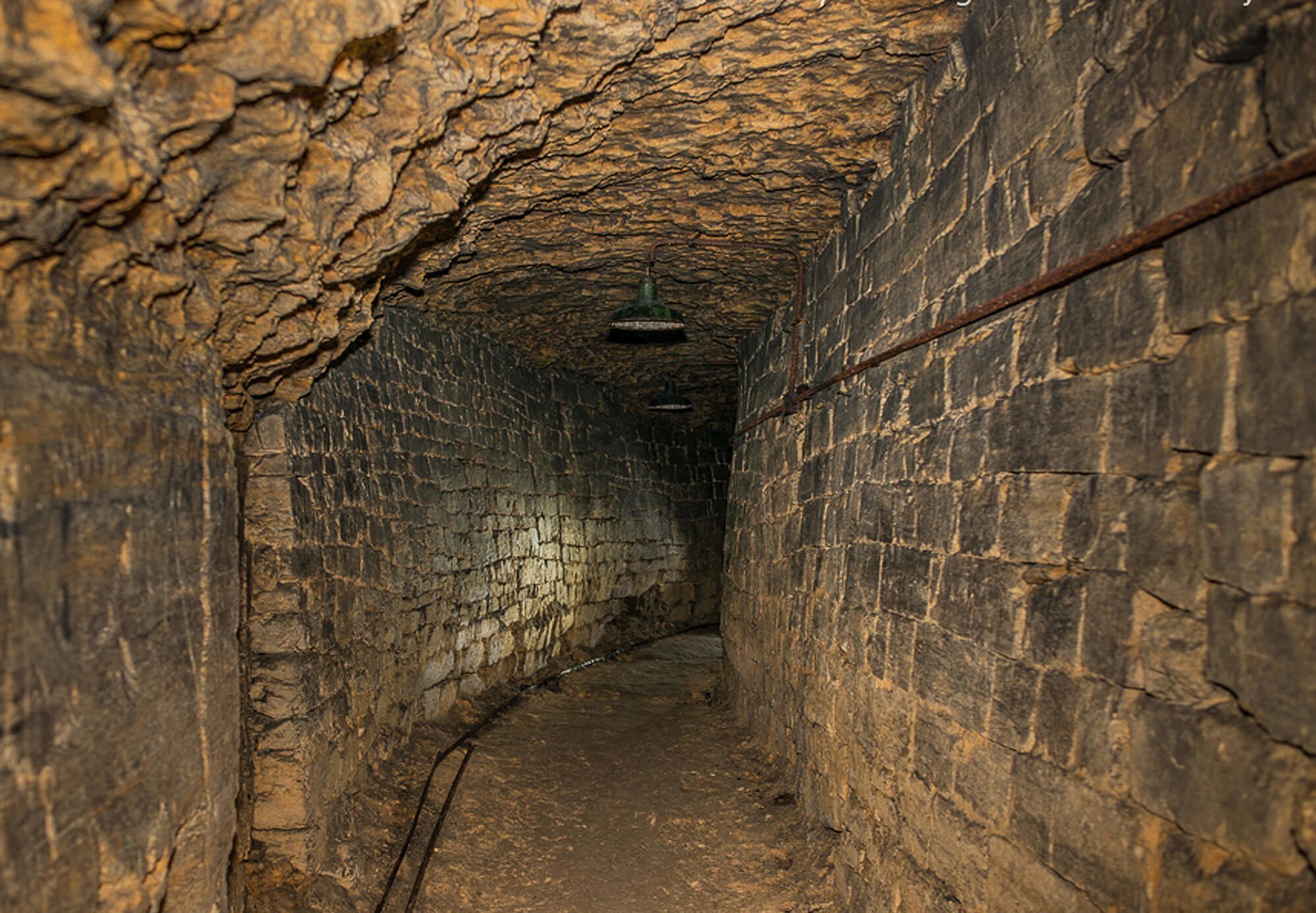
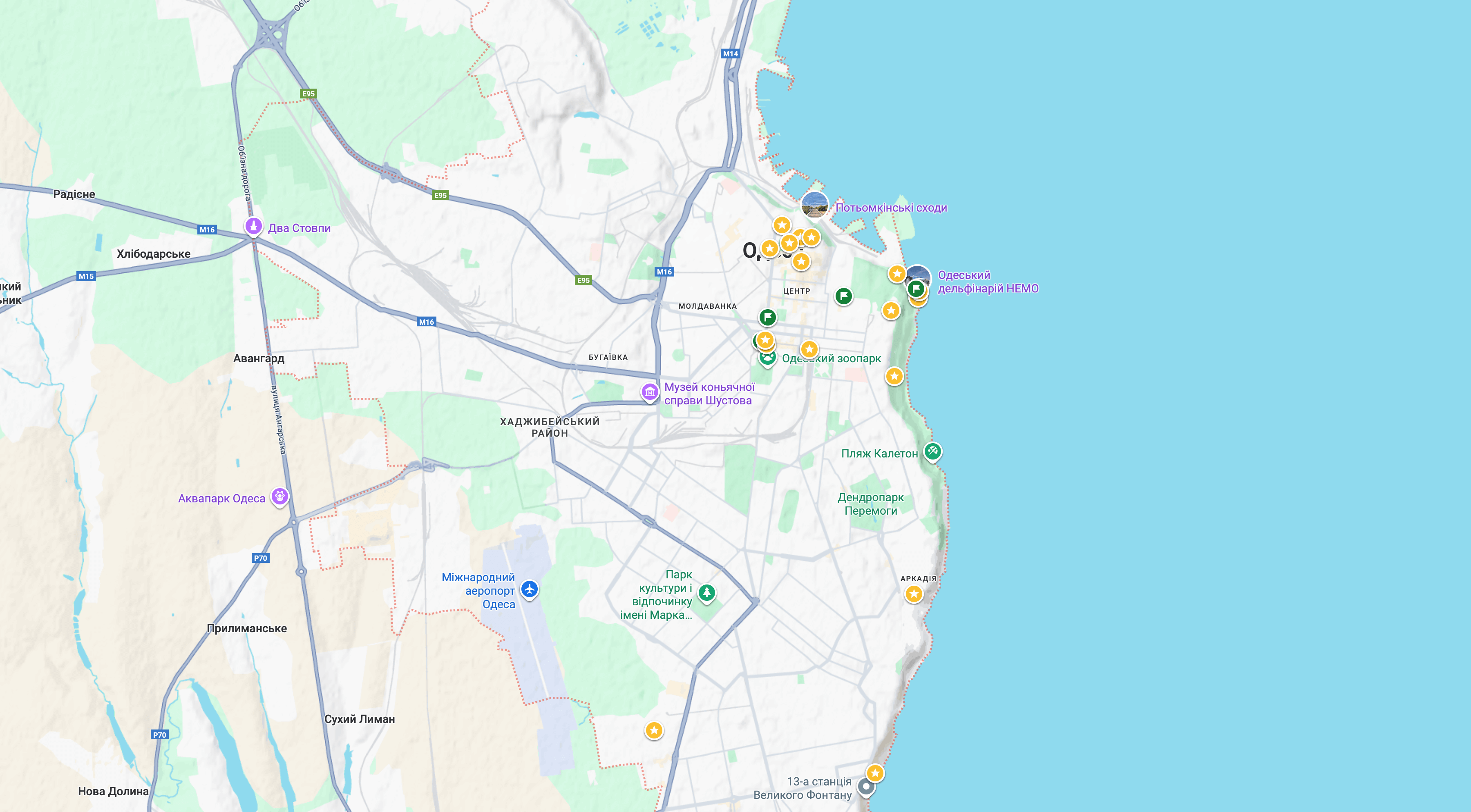
This museum is located in the historic Moldavanka district of Odesa.
The Odesa Catacombs are among the most fascinating historical landmarks in southern Ukraine. Stretching for approximately 2,500 to 3,000 kilometers, they have held countless secrets over the centuries.
Not all of the catacomb passages are man-made — some were formed naturally. However, most of the tunnels resulted from the quarrying of coquina stone, a durable yet lightweight material used to build much of old Odesa. Eventually, due to the growing risk of cave-ins, the mining was stopped.
The catacombs have a rich and eventful history. In the 18th and 19th centuries, smugglers used them as hideouts. Later, revolutionaries and Red Army soldiers took refuge there, followed by partisans during World War II. Over time, criminal groups operated underground hideouts here, and some areas were even used as illegal prisons for trafficked women.
Because of the vast and maze-like structure, it was nearly impossible to locate someone lost in the tunnels. As a result, the catacombs became a natural refuge for outlaws and marginalized groups. Interestingly, during the Cold War, underground bunkers were constructed here in preparation for a potential nuclear attack — many of which are now part of the museum's exhibits.
Today, the catacombs attract tourists with regular guided tours to the most intriguing locations. Even in summer, the experience is pleasant, as the underground temperature remains a steady 14–15°C year-round. Visitors can explore a recreated gangster hideout, a Cold War-era bunker, and even wade through flooded areas near Moldavanka. Helmets and flashlights are provided by guides — all you need is warm clothing and comfortable, preferably sporty, footwear.
For those seeking more adventure, tours are available to catacomb sections outside the city — areas less explored and full of unexpected sights. These off-the-beaten-path trips are absolutely worth experiencing, with comfort and safety ensured by expert guides.


 Share on Facebook
 Share on X